
Muslim soldiers in the British Army during WW1
World War 1 & 2 Books
The Indian Army in the First World War [Paperback]
Agha Humayun Amin (Author)
The Indian Corps in France: During the First World War [Hardcover]
Sir Frederick Smith Bart (Author)
INDIAN CORPS IN FRANCE [Paperback]
Lt Col Merewether (Author)
Dr Hatem Bazian
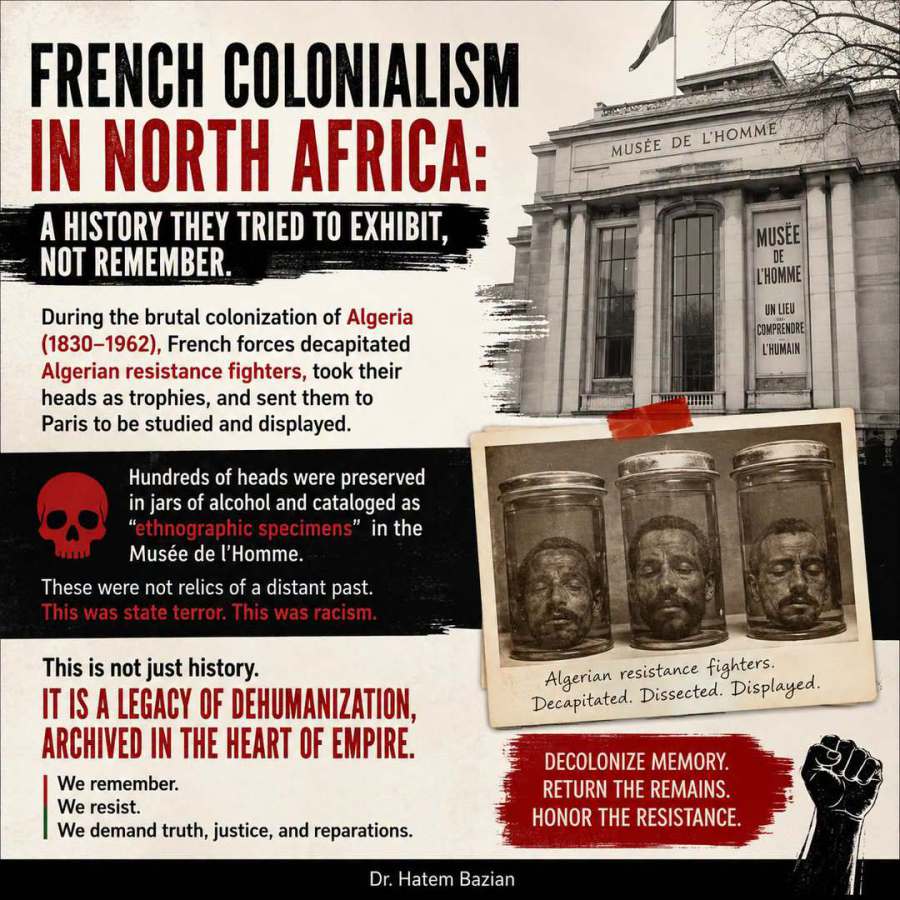
“Over a million Africans fought for France and Britain in the Second World War. When France was liberated, the soldiers who helped do it were quietly removed from the picture.
In the summer of 1944, the Free French Liberation Army landed in the south of France. Two out of every three of those soldiers were African. They took Toulon. They took Marseille. They kept pushing German forces back while the Allies closed in from the west and the Soviets closed in from the east. This was not a supporting role. This was the muscle of the liberation.
Then came Paris. Before the march into the capital, De Gaulle ordered a “whitening” of the ranks: roughly 20,000 African soldiers were pulled out and replaced with white French troops, so the liberation of Paris would look purely French for the cameras and the history books. Men who had bled for that city were told to stand down before the parade.
British colonial forces sent African divisions even further, into the jungles of Burma to fight Japan.
Then the war ended, and the bill came due. France owed these men back pay and demobilization bonuses. Many never saw it.
In December 1944, tirailleurs at the Thiaroye camp near Dakar, recently released from German POW camps, demanded the wages they were promised. French officers opened fire on their own soldiers at dawn. For seventy years France’s official count was 35 dead. Historians now put it at 300 to 400. A 2025 Senegalese commission found the killing was planned in advance and covered up for decades.
France did not call it a massacre until November 2024, eighty years later. There has been no apology. No reparations. France is still accused of withholding the archives that would settle the death toll for good.
They fought a war for a country that erased them from its own liberation, then shot them for asking to be paid.
#HistoricalAfrica #Thiaroye #Senegal #WWII #ColonialHistory
The Soldiers Burden, Harry’s Africa
Here is a collection of military tales mostly based upon the activities of officers and men from the British County Regiments who came to Africa to do their duty as they understood it had to be done. There is also some description of events during the Great War in Africa, and details of war-time units raised within the continent. Most of these accounts have been published in regimental and museum newsletters and journals.
http://www.kaiserscross.com/188001/home.html
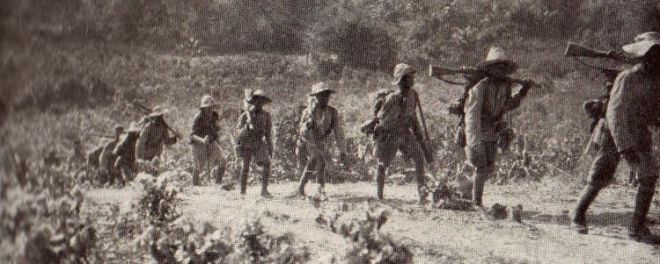 Click above, Nigerian infantry on the move in German East Africa
NIGERIANS IN GERMAN EAST AFRICA
Limited in number, their home being a two months' journey inland. Again, the pausas did not wish to serve overseas, far away from their own country. Governor Freeman wrote a long dispatch upon this subject, dated 6th May 1864, at the end of which he states : " I would therefore strongly recommend that the War Office should not relinquish the scheme for the enlistment of Hausas ;but the regiment must be exclusively for African service ;and this settlement (Lagos) must be compensated for the
loss of the regular force it now has at its command by a nucleus of the detachment of Imperial troops."
http://archive.org/stream/cu31924027831860/cu31924027831860_djvu.txt
The Nigerian Regiment in East Africa: On Campaign During the Great War 1916-1918 (Hardback)

22nd September 1917, German East Africa.
After a successful 18-month long campaign in the German Cameroons in West Africa the Nigeria Regiment was selected for operational duty in German East Africa (GEA) and the soldiers were asked to volunteer for this overseas service. Four battalions were formed, each of four companies with each company having 104 men. The companies were numbered from 1 to 16 and the battalions from 1 to 4. A brigade headquarters was formed under Brigadier-General F.H.G. Cunliffe CB CMG. A battery of four 2.95-inch quick firing, breech loading mountain guns was an integral part of the brigade. In total the Brigade consisted of 2,402 Nigerian rank and file, 125 British officers, 70 British non-commissioned officers (NCOs) and 812 machine gun and battery gun carriers. New Short Lee Enfield rifles were issued on embarkation and the men learned how to use these during the two weeks of sailing round southern Africa.
The King’s African Rifles
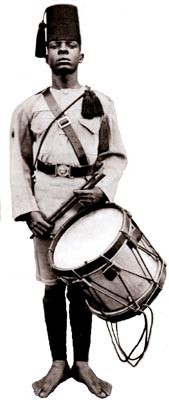 Click above
History
The roots of the Regiment originate with the clashes with Arab slave traders and warlike native tribes, which compelled the African Lakes Corporation to employ armed natives, under British officers, to protect their stations. It was a Captain F D Lugard (Norfolk Regt.) who, in 1888, volunteered to lead a military expedition against the slave trader Mlozi. Nyasaland became a Protectorate in 1889 and the Government formed what was to become 1st Battalion, The Central African Rifles (CAR). A second Battalion was formed and sent to Mauritius, and then on to Somaliland to operate against the Mullah. Lugard later became Governor of Uganda.
Cont: http://www.kingsafricanriflesassociation.co.uk/the-history-of-the-kar/
300 Indians recruited for King’s African Rifles
http://www.wdmwadui.talktalk.net/myweb/MwaduiHistory.htm
http://books.google.co.uk/books?id=YbzsBPuhyggC&pg=PA71&lpg=PA71&dq=300+Indians+in+King%27s+African+Rifles&source=bl&ots=LiIjX9tJU4&sig=pHz019rJcXTljxO1zItBzFEGAx4&hl=en&sa=X&ei=JPa-U-mELsOqPNj8gegM&ved=0CCYQ6AEwAg#v=onepage&q=300%20Indians%20in%20King%27s%20African%20Rifles&f=false
https://kingsafricanrifles.com/2012/01/17/regimental-colours-of-the-kar/
http://www.medalofkar.com/medalofhonour/index.php/video/video/the-battle-of-java-1942


World War One: Kenya's forgotten heroes
http://www.bbc.co.uk/news/world-africa-28836752
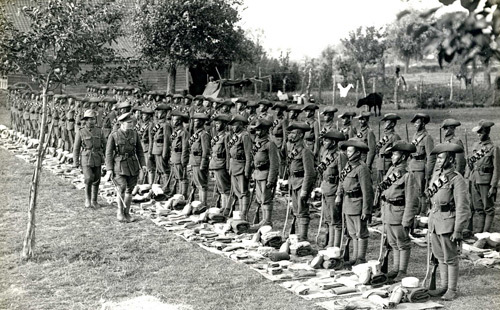 Click above
4 August 2014 marked the centenary of the entry of England in World War. India being part of the British overseas empire was unwittingly drawn in World War I and was destined to play an important role as a large contingent of Indian soldiers actively participated in the war.
http://www.bellevision.com/belle/index.php?action=exclusive_inner&type=277
The Forgotten Stories of Muslims Who Saved Jewish People During the Holocaust
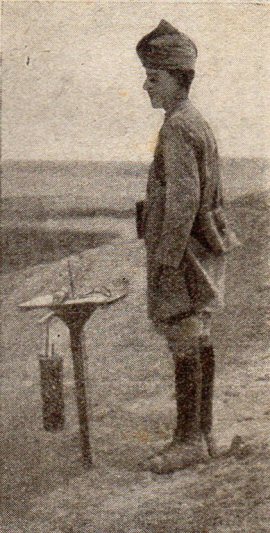 Click above
How do we remember World War One?
There cannot be many people today whose ancestors were not touched by World War One in some way.
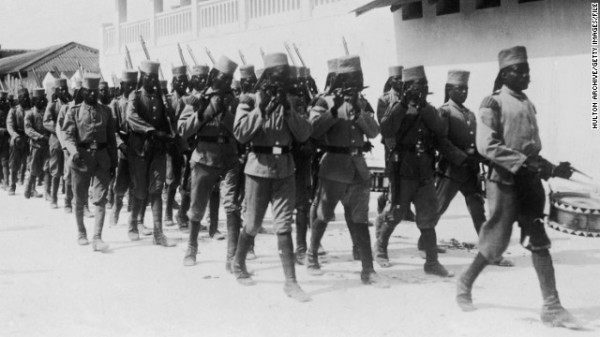 Click above
WW1's untold story: The forgotten African battlefields
http://edition.cnn.com/2014/08/08/world/africa/world-war-in-africa/
http://www.bbc.co.uk/worldservice/documentaries/2009/11
/091112_fridaydoc_africasforgottensoldiers.shtml
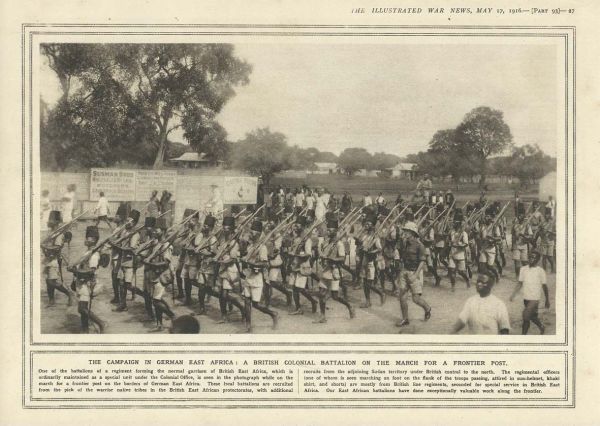 click above
Continued, click on photo above…
News
 Click above for Kenya
 Click above for Uganda.
 Click above for Tanganyika.
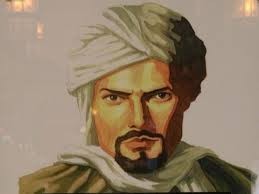 Ibn Battutah ( click for more)
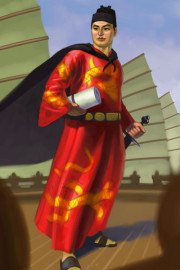 Click for more on Zeng He
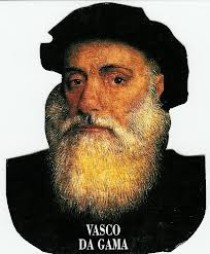 Click for more on Vasco Da Gama
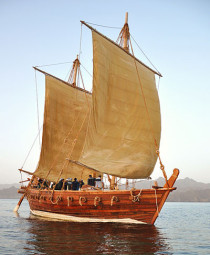
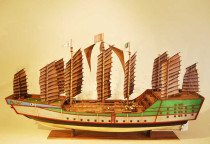
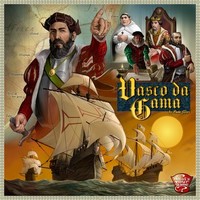
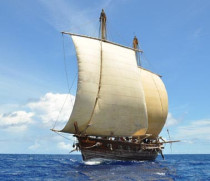
 Zeng He Routes
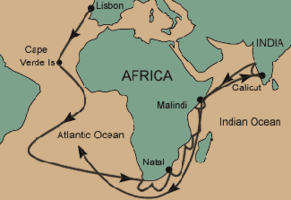 Vasco Da Gama Routes
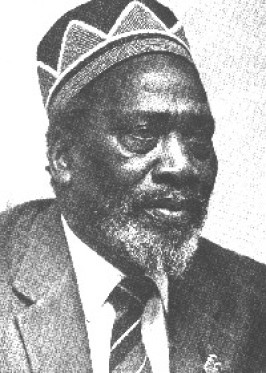 Click above
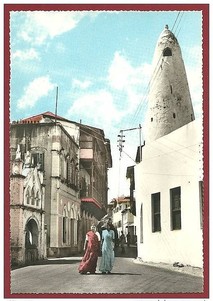 Click on Photo, visting Mombasa
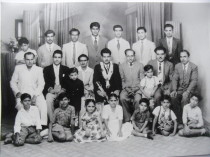 Typical Indian Family & Friends
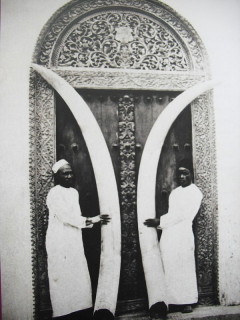
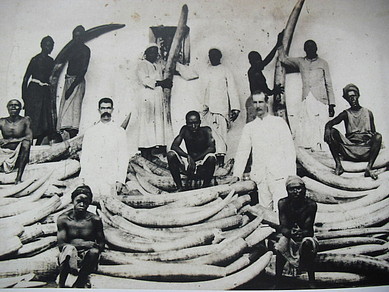 Ivory was major trade of Indians/Europeans/Arabs in E/A
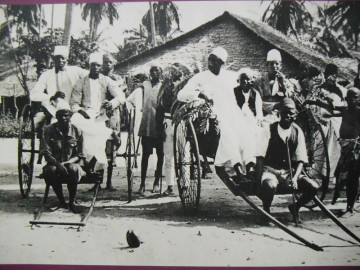 Early Rickshaw
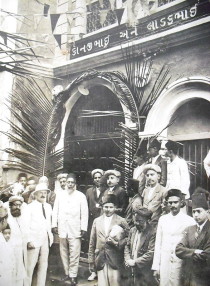 Ithnasheri Guest house 1926 opening (Click on photo)
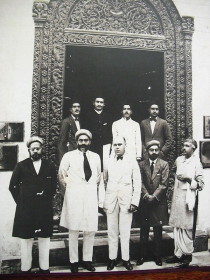 Karimjee Business deal 1924
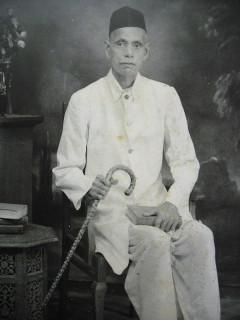 Businessman Sunderji Nanji Damodar
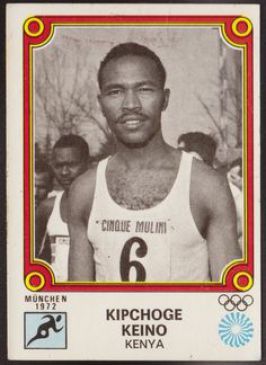 Click above
 Print
Print 