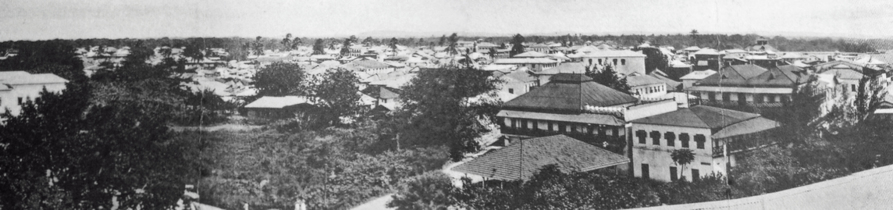

Ancient Egyptian civilization flourished along the Nile River in northeastern Africa.
Ancient Egyptian civilization flourished along the Nile River in northeastern Africa for roughly 3,000 years, from its unification around 3100 BCE until the Roman conquest in 30 BCE. Driven by the
river's annual floods, it evolved through distinct dynastic periods characterized by monumental architecture, polytheistic religion, and powerful pharaohs.
Major Eras of Ancient Egypt
- Early Dynastic Period (c. 3100–2686 BCE): King Narmer (or Menes) united Upper and Lower Egypt, establishing the first royal dynasty and a centralized capital at
Memphis.
- Old Kingdom (c. 2686–2181 BCE): Known as the "Age of the Pyramids," this era featured strong pharaonic power and the construction of the Great Pyramids and the
Sphinx.
- First Intermediate Period (c. 2181–2055 BCE): A time of political fragmentation and civil war following the collapse of central authority.
- Middle Kingdom (c. 2055–1650 BCE): A period of reunified stability, flourishing arts, and extensive trade expansion.
- Second Intermediate Period (c. 1650–1550 BCE): Marked by the invasion of foreign rulers known as the Hyksos, who introduced new military tech like horse-drawn
chariots.
- New Kingdom (c. 1550–1069 BCE): Egypt's "Golden Age" of empire-building and military expansion, featuring famed rulers like Hatshepsut, Akhenaten, and Ramses II, alongside the
hidden tombs of the Valley of the Kings.
] - Third Intermediate & Late Period (c. 1069–332 BCE): Eras of decline and intermittent foreign domination by Nubians, Assyrians, and Persians.
- Greco-Roman Period (332–30 BCE): Began with Alexander the Great's conquest, leading to the Ptolemaic dynasty and ending with Cleopatra VII before Roman annexation.
The ENTIRE History of Egypt | Ancient Civilizations Documentary
Before the transatlantic slave trade, Africa was a vibrant continent defined by powerful empires, thriving trade networks, and rich intellectual and artistic traditions.
Before the transatlantic slave trade, Africa was a vibrant continent defined by powerful empires, thriving trade networks, and rich intellectual and artistic traditions. Major civilizations like
the Mali Empire, Songhai Empire, Kingdom of Kongo, and Great Zimbabwe governed vast territories, built monumental architecture, and advanced in mathematics, medicine, and metallurgy.
Thriving Empires and Trade
- Economic Powerhouses: West African empires controlled lucrative trans-Saharan trade routes, exchanging gold, ivory, and salt for goods from the Mediterranean and Near East. The
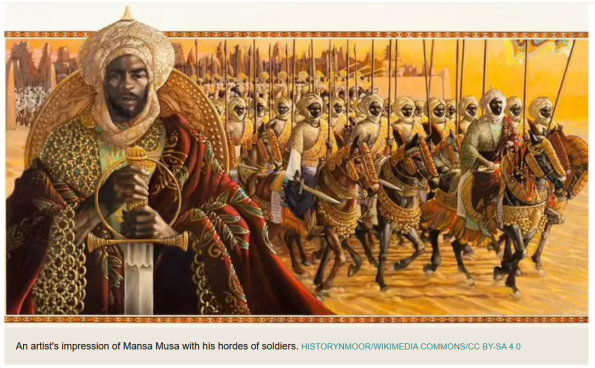
Mali Empire, led by rulers like Mansa Musa, was so wealthy in gold that it influenced economies across the Mediterranean.
- Centers of Learning: Cities like Timbuktu became renowned international hubs for education, featuring vast libraries, astronomy, and Islamic scholarship long before the European
printing press.
- Diverse Political Systems: Alongside centralized monarchies with sophisticated administration, many regions operated through decentralized village-level consensus and cooperative
local networks.
Art, Technology, and Culture
- Master Craftsmanship: African artisans produced world-class luxury items, including intricate bronze castings from the Kingdom of Benin, detailed terracotta work, and exquisite
gold and ivory jewellery.
- Advanced Infrastructure: Civilizations constructed impressive urban centers, defensive city walls, and monumental stone structures like those at Great Zimbabwe.
- Local Social Structures: While various forms of servitude and local bondage existed in some traditional African societies—often distinct from the later brutal chattel
slavery—communities were primarily organized around extended kinship, spiritual traditions, and regional trade.
- Watch this overview of trade, navigation, and economic systems across pre-colonial African regions:
Watch this video to learn more about the thriving kingdoms and intellectual life in pre-colonial Africa:
What Were Africans Doing in 1490 Before Slavery?
What Were Africans Doing Before Slavery
What Africa Was REALLY Like in 1400: Technology, Kingdoms & the Truth About the Slave Trade
Ibn Khaldun Wrote It in 1377: The Arab Scholar Who Exposed the Real Hebrew Tribes in West Africa
The history and
continuation of slavery in Africa involves profound human suffering across historical epochs, spanning the devastating Transatlantic, Trans-Saharan, and Indian Ocean slave trades, as
well as persistent modern-day forms of human exploitation, forced labor, and hereditary bondage.
Before the transatlantic trade, parts of Africa were indeed wealthy and organized with powerful kingdoms like Mali, Songhai, and Benin. However, European colonization of the Americas created an immense demand for labour. Portuguese and later European traders exploited existing local African systems of captivity through commercial trade networks, turning human beings into a mass global commodity.
What Was Mansa Musa’s Net Worth? Inside The Fortune Of The Richest Man To Ever Live
Please click above
News
 Click above for Kenya
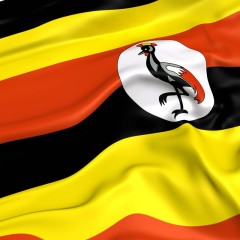 Click above for Uganda.
 Click above for Tanganyika.
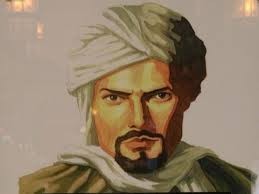 Ibn Battutah ( click for more)
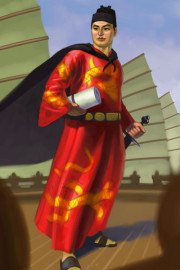 Click for more on Zeng He
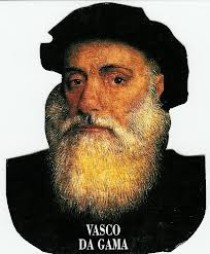 Click for more on Vasco Da Gama
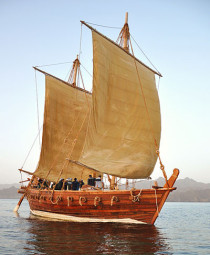
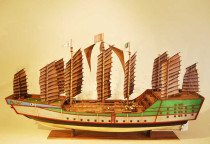

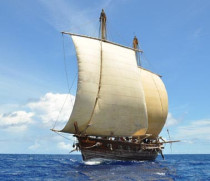
 Zeng He Routes
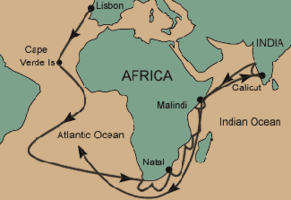 Vasco Da Gama Routes
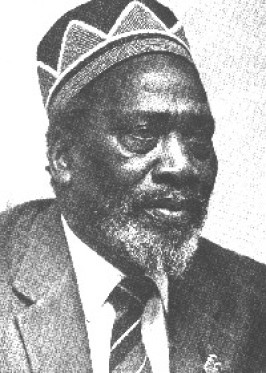 Click above
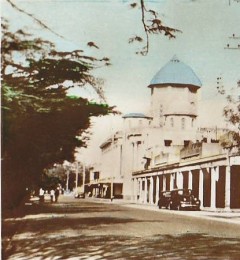
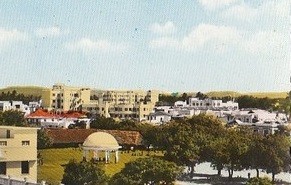
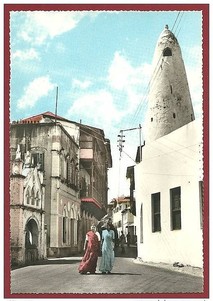 Click on Photo, visting Mombasa
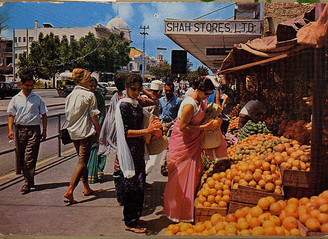
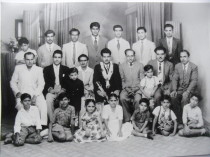 Typical Indian Family & Friends
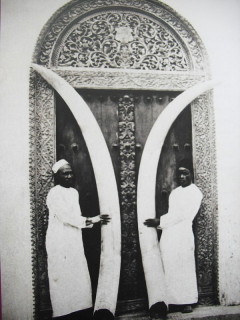
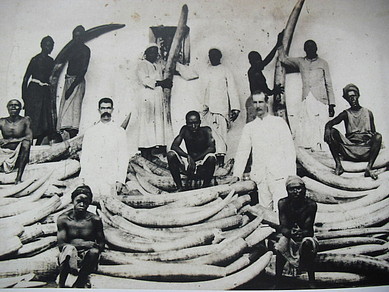 Ivory was major trade of Indians/Europeans/Arabs in E/A
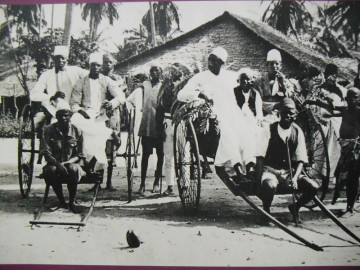 Early Rickshaw
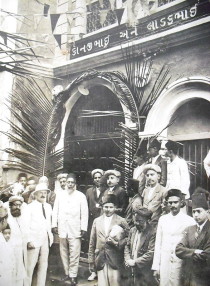 Ithnasheri Guest house 1926 opening (Click on photo)
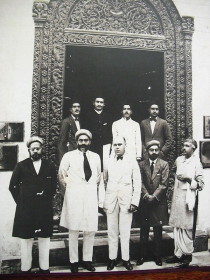 Karimjee Business deal 1924
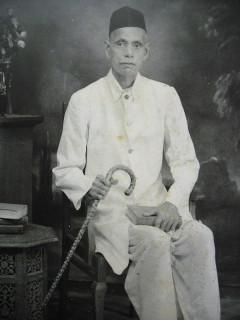 Businessman Sunderji Nanji Damodar
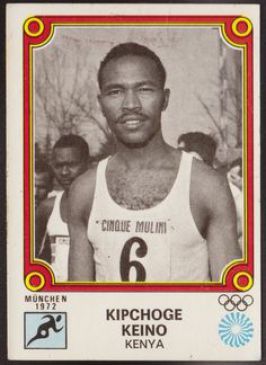 Click above
 Print
Print 